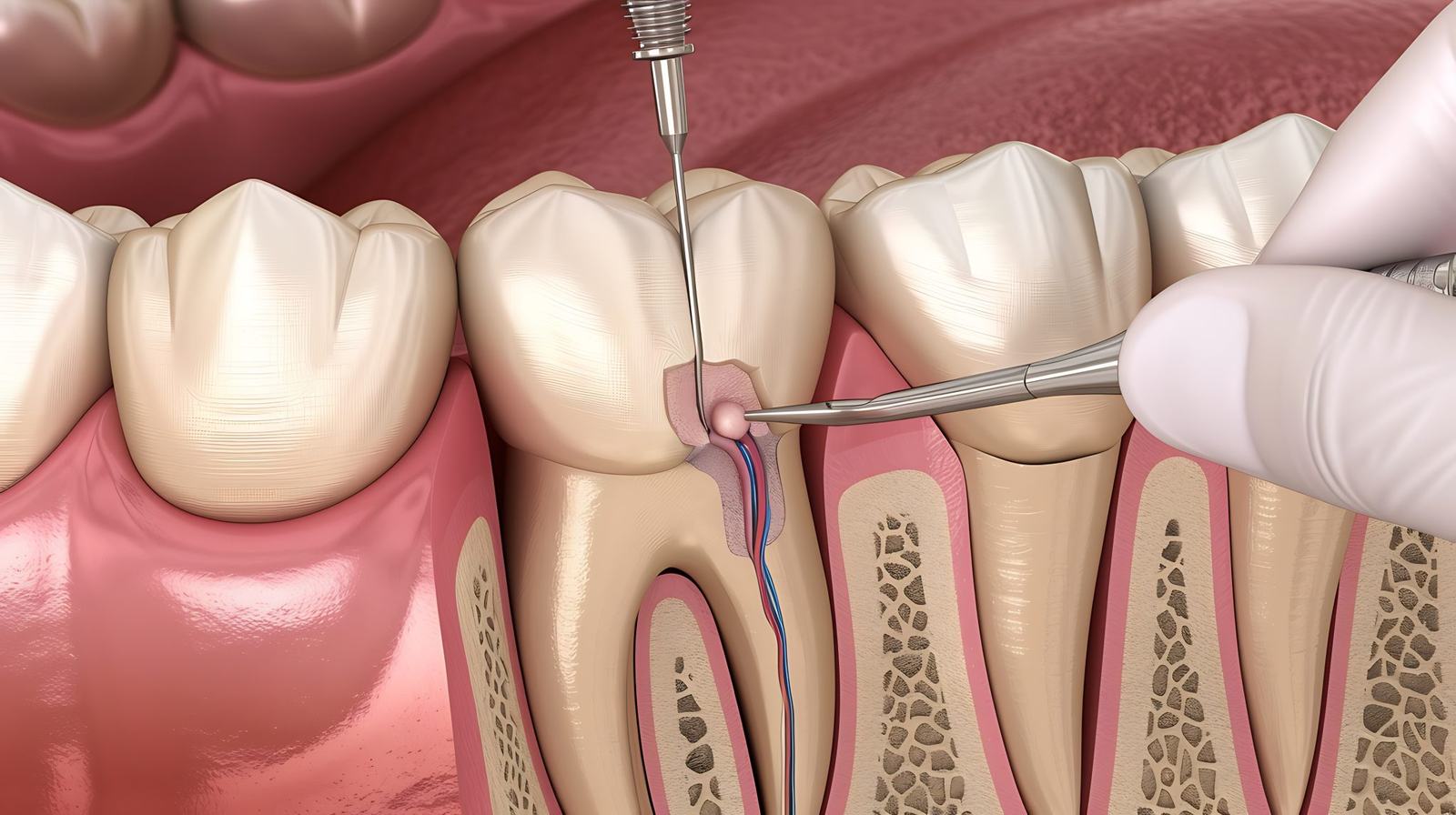
What Is Root Canal Therapy and Why Would You Need It
Dental infections cause severe pain and require immediate clinical intervention to prevent systemic health complications. According to the Australian Institute of Health and Welfare (AIHW), untreated tooth decay remains the most prevalent chronic disease affecting Australian adults. When oral bacteria penetrate the outer tooth layers, they infect the internal dental pulp. This infection causes inflammation, tissue necrosis, and debilitating toothaches.
Patients facing this diagnosis require predictable clinical solutions to eliminate pain and restore oral function. Antibiotics alone cannot cure pulpal infections because the blood supply to the tooth dies, preventing systemic medications from reaching the bacteria. Surgical removal of the infected tissue provides the only definitive cure.
What Is Root Canal Therapy?
Root canal therapy is a dental procedure that removes infected or inflamed dental pulp from inside a tooth. Dentists clean, disinfect, and shape the hollow root canals before sealing them with a biocompatible material to prevent bacterial re-entry. The primary goal of endodontic treatment is to save the natural tooth from extraction. Preserving natural dentition maintains proper bite alignment, supports jawbone integrity, and provides superior chewing function compared to artificial replacements.
General dentists and specialist endodontists perform this routine procedure. The Australian Dental Association (ADA) guidelines emphasise that preserving natural teeth yields better long-term health outcomes than removing them. The term "endodontic" combines the Greek words "endo" meaning inside, and "odont" meaning tooth. Patients diagnosed with pulp death or infection can review our comprehensive endodontics guides to understand the full scope of internal tooth treatments.
What Is the Dental Pulp?
The dental pulp is the soft inner tissue containing nerves, blood vessels, and connective tissue. Tooth anatomy consists of three distinct layers. Enamel forms the hard, mineralised outer shell. Dentin makes up the sensitive middle layer that surrounds the pulp. The pulp resides in the pulp chamber located within the tooth crown and extends down through the roots via microscopic root canals.
During childhood and adolescence, the pulp plays a critical role in tooth development. It generates dentin, supplies moisture to the surrounding structures, and transmits sensory signals regarding extreme temperatures. Once a tooth reaches full maturity, it no longer requires the pulp to survive. The tooth receives its necessary nourishment from the surrounding periodontal ligament.
When oral bacteria invade this inner sanctum, they cause a painful condition known as pulpitis. Because the pulp chamber is a rigid, enclosed space, swelling tissues have nowhere to expand. This increases internal pressure, compresses the nerve fibres, and triggers severe, spontaneous toothaches. Removing this compromised tissue eliminates the pain while allowing the physical tooth shell to remain fully intact.
How Does the Dental Pulp Become Infected?
The dental pulp becomes infected when bacteria bypass the enamel and dentin layers to reach the internal chamber. This bacterial invasion occurs through four primary pathways: deep tooth decay, cracked teeth, leaking dental fillings, and dental trauma.
Deep decay remains the most common cause of pulp infection. Acid-producing bacteria eat through the enamel and dentin until they reach the pulp chamber. Cracked teeth provide direct microscopic channels for bacteria to enter the nerve space. Similarly, old fillings that have degraded or pulled away from the tooth margins create leakage pathways. Finally, physical trauma from sports injuries, falls, or accidents can sever the tooth's blood supply at the root level, leading to spontaneous pulp necrosis even without bacterial invasion.
Once bacteria enter the pulp, the immune system responds by increasing blood flow to the area, resulting in acute inflammation known as reversible pulpitis. If the irritation persists, the condition progresses to irreversible pulpitis. The tissue loses its ability to heal. Eventually, the blood supply dies, resulting in pulp necrosis. The infection then pushes out through the bottom of the root tip into the surrounding jawbone, forming a periapical abscess. Patients can learn how to distinguish these inflammatory stages by reviewing information about pulpitis.
What Are the Signs You May Need Root Canal Therapy?
There are six primary signs you may need root canal therapy. Recognising these symptoms early prevents the spread of infection and improves the tooth's prognosis. The clinical presentation of a dying tooth varies among patients, but specific indicators signal pulp damage.
- Severe toothache: Deep, throbbing pain that worsens at night or occurs without provocation indicates irreversible pulpitis. Nocturnal pain happens because blood pressure increases in the head when lying down, compressing the inflamed nerve.
- Lingering sensitivity: Pain that lasts for minutes or hours after removing a hot or cold stimulus signals nerve death.
- Pain on chewing: Discomfort when biting down or applying pressure indicates the infection has spread beyond the tooth into the periodontal ligament or jawbone.
- Gum swelling: A pimple on the gum, clinically known as a parulis or fistula, provides a drainage pathway for pus from a periapical abscess.
- Tooth discolouration: The affected tooth may turn grey, dark yellow, or brown. This occurs when red blood cells rupture inside the dentinal tubules during pulp necrosis.
- No symptoms: In approximately 20% of cases, patients experience zero pain. A necrotic pulp drains silently through the fistula. Dentists detect these asymptomatic infections using routine dental X-rays.
Recognising the signs you need a root canal facilitates early intervention and saves the natural tooth structure before catastrophic fractures occur.
How Does a Dentist Diagnose Pulp Damage?
A dentist diagnoses pulp damage using clinical examinations, pulp sensitivity tests, and dental imaging. Patient history provides the initial diagnostic framework. Dentists listen closely to descriptions of pain triggers, duration, and intensity.
During the clinical examination, dentists perform pulp sensitivity tests. A cold test involves applying a refrigerant spray to a cotton pellet and holding it against the tooth. A vital tooth reacts with a brief, sharp sensation. A prolonged, throbbing ache indicates irreversible pulpitis, while zero reaction suggests pulp necrosis. Dentists also use electric pulp testers to deliver a mild electrical current and measure nerve response.
Percussion and palpation tests identify inflammation extending beyond the root. Tapping the chewing surface of the tooth with a dental mirror reveals periapical inflammation. Pressing on the gum tissue over the root apex checks for swelling or tenderness.
Dental X-rays confirm the diagnosis. A periapical radiograph reveals the entire tooth from crown to root tip. Dark circles at the root apex indicate bone destruction from a chronic abscess. In complex cases involving calcified canals or unusual root anatomy, dentists prescribe CBCT imaging in endodontics. This three-dimensional imaging technology allows precise visualisation of the tooth's internal architecture.
What Happens During Root Canal Treatment?
During root canal treatment, a dentist removes the infected pulp, cleans the canals, and seals the tooth. The procedure follows a precise seven-step clinical protocol designed to eliminate bacteria and prevent reinfection.
- Local anaesthetic: The dentist administers anaesthetic to numb the tooth and surrounding tissues completely.
- Rubber dam isolation: The dentist places a protective latex sheet over the tooth. This maintains a sterile environment by preventing saliva, which contains bacteria, from entering the exposed canals.
- Access opening: Using a dental drill, the dentist creates a small hole through the tooth crown to access the pulp chamber.
- Pulp removal and shaping: The dentist uses specialised precision instruments called endodontic files to extract the infected nerve tissue. They meticulously clean and shape the root canals to prepare them for the filling material.
- Irrigation: The dentist flushes the canals with sodium hypochlorite. This antimicrobial solution dissolves any remaining organic tissue and destroys residual bacteria.
- Canal filling: The dentist fills the disinfected, hollow canals with gutta-percha. This natural, rubber-like polymer seals the canals to prevent future bacterial invasion.
- Restoration: The dentist places a temporary filling to close the access hole.
Treatment typically requires one to two visits, depending on the severity of the infection and the tooth's anatomy. You can learn more about our root canal therapy service or read a detailed step-by-step procedure.
Does Root Canal Treatment Hurt?
Root canal treatment does not hurt because modern procedures use highly effective local anaesthetic. Patients experience zero pain during the actual mechanical process. The injection sensation feels identical to receiving a standard dental filling. Dentists test the tooth to confirm profound numbness before beginning the procedure.
Patients harbour severe anxiety regarding root canal therapy, largely driven by outdated cultural myths. Historically, patients delayed treatment until the infection became excruciatingly painful, associating the procedure with their pre-existing agony. In reality, endodontic treatment provides immediate pain relief. Removing the infected, pressurised pulp tissue eliminates the source of the toothache.
According to clinical studies published in the Journal of Endodontics, patients who undergo modern root canal therapy report the procedure being six times more comfortable than anticipated. Mild post-operative soreness occurs for two to three days following the appointment. This discomfort stems from inflammation in the periodontal ligament surrounding the tooth root, not from the nerve itself. Over-the-counter pain medication effectively manages this soreness. You can read further details on whether is root canal painful.
What Happens After the Procedure?
After the procedure, the treated tooth requires a permanent dental crown to prevent structural fracture. Endodontic treatment hollows out the centre of the tooth to access the root canals. Furthermore, removing the blood supply causes the remaining dentin to lose moisture over time, rendering the tooth significantly more brittle and susceptible to cracking under chewing forces.
The restoration timeline follows a strict sequence. The dentist places a temporary filling immediately after the final treatment session. This filling seals the access hole temporarily. Two to four weeks later, the patient returns to prepare the tooth for a permanent crown. The dentist removes the temporary material, shapes the outer enamel, and takes digital impressions. A dental laboratory fabricates a custom porcelain crown, which the dentist cements permanently onto the tooth at the final appointment.
Post-operative care dictates avoiding hard, crunchy, or chewy foods on the treated side until the permanent crown is placed. Patients should maintain normal brushing and flossing routines. Standard over-the-counter pain relief manages mild soreness during the initial healing window. Patients must contact their dentist immediately if they notice expanding facial swelling, severe unmanageable pain, or fever. Securing a permanent crown after root canal therapy guarantees structural durability. Patients can review our detailed guide on recovery after root canal to understand exact timelines.
What Are the Root Canal Success Rates?
The root canal success rate is between 90% and 95% according to dental literature. Data from the Journal of Endodontics demonstrates that properly performed endodontic treatment provides long-term functional retention.
Several clinical factors influence the long-term prognosis. Tooth location plays a significant role. Front teeth (incisors) feature straight, single root canals, making them easier to clean and fill, resulting in higher success rates. Back teeth (molars) possess curved roots and complex canal systems with microscopic branches that challenge complete disinfection.
The severity of the pre-existing infection also impacts outcomes. Teeth diagnosed with vital, albeit inflamed, pulp tissue respond better to treatment than teeth presenting with large periapical abscesses and active pus drainage.
The timing and quality of the final restoration dictate long-term viability. Research indicates that 60% of endodontic failures occur not because of poor canal cleaning, but due to delayed permanent fillings or leaking crowns that allow new bacteria to re-enter the root system.
If a treated tooth fails, the patient develops new pain or swelling months or years later. In these scenarios, endodontic retreatment offers a reliable solution. The dentist reopens the tooth, removes the old gutta-percha, disinfects the missed anatomy, and reseals the canals.
What Happens If You Do Not Get a Root Canal?
If you do not get a root canal, the bacterial infection spreads, causing severe pain, bone destruction, and eventual tooth loss. A necrotic tooth provides a safe harbour for bacteria. The immune system cannot reach inside the hollow, dead root canal space.
Without clinical intervention, the infection breaches the jawbone and creates a periapical abscess. This pocket of pus erodes the surrounding alveolar bone, compromising the structural integrity of the jaw. As the abscess expands, the patient experiences escalating facial swelling, intense pressure, and systemic illness.
Many patients ask their doctors for antibiotics instead of undergoing dental treatment. Prescribing antibiotics provides temporary systemic relief by reducing the soft tissue swelling. However, antibiotics cannot penetrate the dead tooth to kill the source of the bacteria. Once the patient finishes the antibiotic course, the surviving bacteria multiply, and the infection returns stronger. Patients must understand the limitations of antibiotics for tooth infection.
Eventually, the infection destroys the periodontal ligament completely. The tooth becomes loose and falls out, or requires surgical extraction. Losing a tooth initiates a cascade of dental problems. Adjacent teeth drift into the empty space, disrupting the bite alignment. Jawbone density decreases rapidly where the tooth used to be. Comparing root canal vs extraction reveals that preserving the natural tooth remains the healthiest, most cost-effective option.
What Is the Root Canal Cost in Australia?
The root canal cost in Australia varies from $900 to $3,000 depending on the tooth type and procedural complexity. Data from the Australian Dental Association (ADA) annual fee survey provides accurate pricing benchmarks for endodontic treatment across the country.
Tooth anatomy directly dictates the cost. Front teeth (incisors) typically possess only one straight root canal. Endodontic treatment for an incisor ranges from $900 to $1,500. Premolars situated in the middle of the mouth feature one or two canals, with treatment costs ranging from $1,200 to $2,000. Molars located at the back of the mouth possess three or four highly curved canals, requiring significant additional clinical time. Molar endodontic treatment costs between $1,500 and $3,000 or more.
Specialist endodontists charge higher fees than general dentists. Endodontists complete an additional three years of university microsurgery training. Patients with highly complex root anatomy or previous failed treatments require specialist intervention.
Medicare does not cover dental procedures in Australia. However, private health insurance Extras cover typically reimburses a significant portion of the endodontic fees. Patients use specific item numbers ranging from 312 to 318 when submitting claims to their health funds. The total out-of-pocket expense depends entirely on the individual's chosen level of private cover. Review our comprehensive guide on root canal cost in Australia for detailed breakdowns.
What Are the Frequently Asked Questions About Root Canal Therapy?
Is a root canal painful?
No. A root canal is performed under local anaesthetic, making the procedure painless. The injection feels identical to receiving a standard dental filling. Patients actually experience significant pain relief immediately after the procedure because the infected, pressurised pulp tissue is removed. Mild post-operative soreness lasts for two to three days and responds well to standard over-the-counter pain medication. You can read more about whether is root canal painful to ease your concerns.
How long does a root canal take?
A root canal takes between one and two dental visits, with each appointment lasting 60 to 90 minutes. The total duration depends entirely on the tooth anatomy and the severity of the infection. Single-canal front teeth require less clinical time, while multi-canal molars demand longer sessions to meticulously clean the complex root branches. Review our detailed step-by-step procedure to understand the clinical timeline.
Can a tooth get infected after a root canal?
Yes. In approximately 5% to 10% of cases, a tooth gets infected after a root canal due to complex anatomy, missed canals, or new decay. Bacteria can remain in microscopic branches that instruments cannot reach. If this happens, the patient develops new pain or gum swelling months later. Endodontic retreatment successfully resolves these stubborn infections by reopening the tooth and disinfecting the canal system.
How long does a tooth last after a root canal?
A properly treated tooth lasts a lifetime if restored with a permanent crown. The root canal procedure itself boasts a 95% success rate. The critical factor for longevity involves protecting the brittle tooth structure. Securing a permanent crown after root canal therapy shields the hollowed tooth from fracture forces, ensuring decades of functional service.
Can I drive home after a root canal?
Yes. You can drive home safely immediately after a root canal. Dentists use local anaesthetic, not general anaesthesia or sedation. Your cognitive functions remain completely unaffected. You can return to normal daily activities or work the same day. Patients should chew on the opposite side of the mouth until the numbness wears off to avoid biting their cheek. If you are experiencing severe dental pain, find a dentist in Australia for immediate clinical care.